
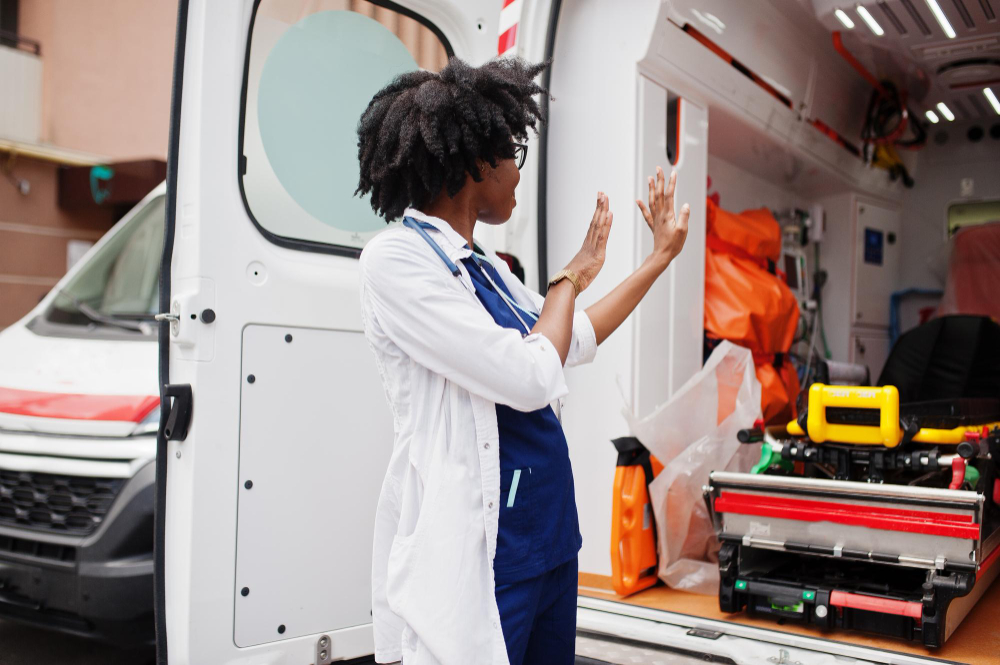
Introduction to Ergonomics in Emergency Vehicles
When we think of ambulances, we often picture life-saving machines. However, ergonomics in emergency vehicles is just as important as the equipment inside. Good design helps doctors and medical staff work safely and quickly. In fact, the comfort and safety of healthcare workers can affect patient care. Therefore, it is vital to focus on emergency vehicle design for doctors, not just machines.
Why Ergonomics Matters for Doctors and Medical Staff
Doctors and nurses spend long hours in ambulances. Sometimes, they must treat patients while the vehicle moves. Because of this, poor design can lead to injuries or slow down care. For example, awkward seating or hard-to-reach tools can cause strain. Moreover, healthcare worker safety in emergency vehicles is crucial for both staff and patients. When doctors feel comfortable, they can focus better on saving lives.
Common Challenges Faced by Doctors in Emergency Vehicles
Doctors face many hurdles inside emergency vehicles. Some of the most common challenges include:
In addition, long shifts can make these problems worse. As a result, doctors may feel tired or even get injured.
Key Elements of Ergonomic Design in Ambulances and Emergency Vehicles
Designing for doctor comfort in ambulances means more than adding soft seats. Instead, it involves careful planning. Key elements of ergonomic design include:
Furthermore, regular feedback from doctors can help improve these features over time.
Benefits of Doctor-Centered Vehicle Design
When emergency vehicles are designed with doctors in mind, everyone benefits. For instance, doctors can treat patients faster and more safely. Also, fewer injuries mean less time off work. In the long run, better design can save money and improve patient outcomes. According to the World Health Organization (WHO), safe work environments lead to better care for all.
Real-World Examples and Innovations
Some countries have started to focus on doctor comfort in ambulances. For example, new ambulance models in Europe offer adjustable seats and better lighting. In addition, some vehicles use smart layouts to keep tools within easy reach. These changes have led to fewer staff injuries and faster patient care. As more places adopt these ideas, healthcare worker safety in emergency vehicles will continue to improve.
Tips for Improving Ergonomics in Emergency Vehicles
Even small changes can make a big difference. Here are some tips for better ergonomics in emergency vehicles:
By following these steps, emergency teams can work more safely and efficiently.
Conclusion and Next Steps
In summary, ergonomics in emergency vehicles is vital for doctor safety and patient care. While machines are important, the people using them matter even more. Therefore, it is time to put doctors at the center of emergency vehicle design. Consult healthcare design specialists at Bhavya Fabrications or local authorities to advocate for safer, more ergonomic emergency vehicles.